- ReadySetTrainDogs' Newsletter
- Posts
- The Monthly Wag: January 2026
The Monthly Wag: January 2026
Ready Set...Train! Monthly Newsletter

ReadySetTrainDogs
January 04, 2026

Happy New Year Fellow Dog Lovers!
We hope 2026 will be our best year yet! We have some exciting new plans for 2026 that we can’t wait to share with you all as the year unfolds! Our newsletter subscribers will get to see a quick peak at some of the new classes we are planning to roll out in 2026! As always thank you all for subscribing! You all make everything we do possible! 🐾
Make sure you are not missing our emails! Mark our newsletter as important in your inbox! Please help us grow this newsletter by sharing it with your family and friends!
Table of Contents
New Projects for 2026!

Triggered in the Wild
Designed for graduates of our Triggered class, Triggered in the Wild gives dogs the opportunity to continue practicing reactivity skills in real-world settings. This small, controlled group meets at a different location each week to help generalize the behaviors learned in class. We carefully manage space, distance, and thresholds to ensure every dog can work comfortably and successfully.
Out and About: Puppy Edition
This class is for puppies who have completed our socialization program and are fully vaccinated. Together, we’ll take guided group outings to a variety of new locations to build confidence and positive experiences in the real world. You’ll learn structured routines to help your puppy succeed during their first public adventures. Outings may include visits to a veterinary clinic, grooming facility, retail store, and outdoor park.
The Canine Gameshow Showdown!
Get ready for a one-of-a-kind, training-based gameshow made just for dogs! Yes we made our very own doggy gameshow class! In this high-energy class, teams compete in weekly training games and challenges designed to build skills while having fun. Points add up each week, and at the end of the five-week showdown, one team will be crowned the ultimate champion!
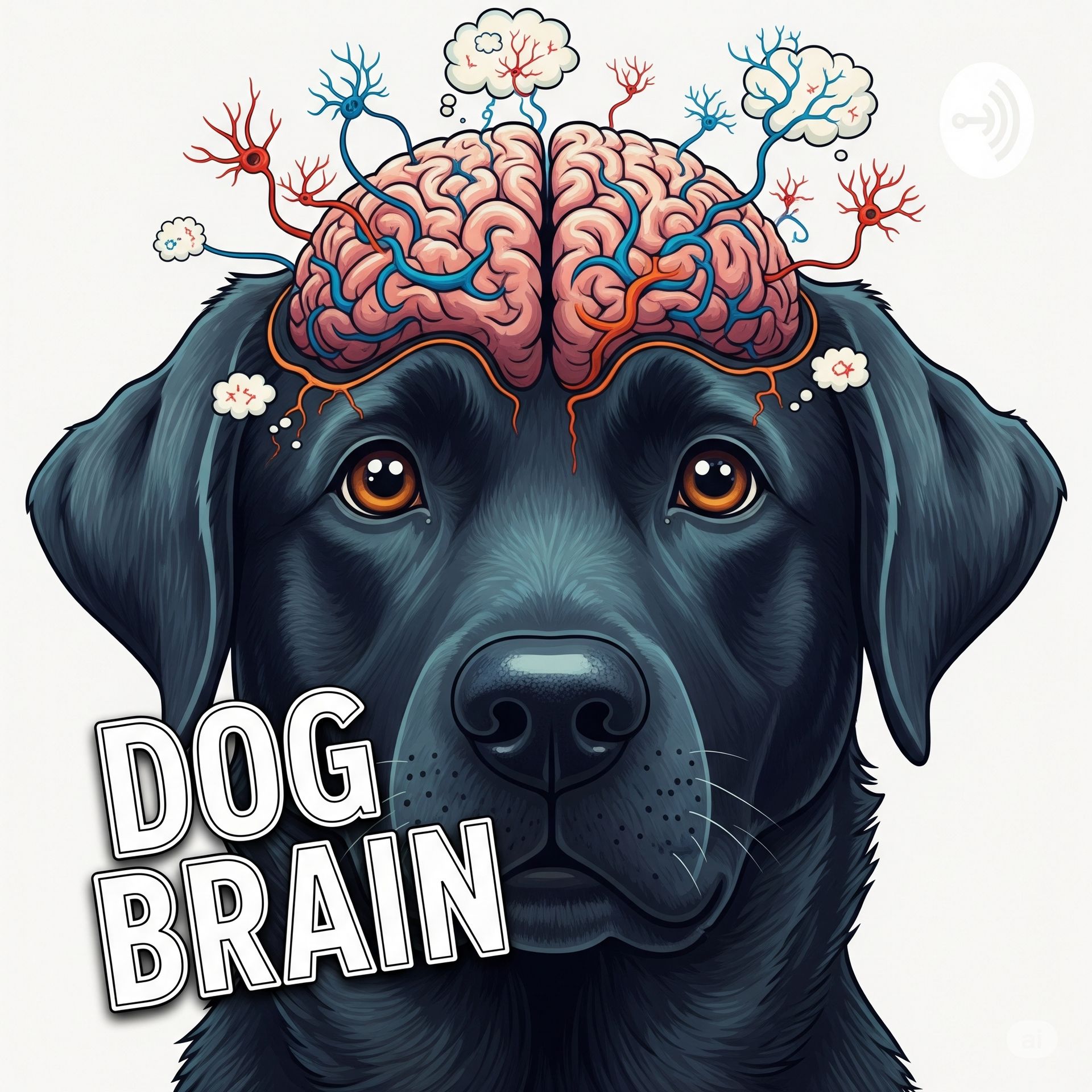
Dog Brain Podcast
Dog Brain is a new podcast dedicated to exploring the science behind canine behavior. Each episode focuses on a specific behavior-related topic, taking a deep dive into what the research and scientific literature tell us. Along the way, we’ll break complex concepts down into practical insights and feature interviews with experts in the field.
New Volunteer Program
Have you ever dreamed of working with dogs or wondered what it takes to become a professional trainer? Our new Volunteer Program is designed to guide you through that journey. Participants will learn the fundamentals of canine behavior, body language, training techniques, and effective teaching methods.
By the end of the program, you’ll be well prepared to pursue a professional training certification. Volunteers also enjoy valuable perks, including free access to training materials, free or discounted enrollment in our training classes, and one-on-one coaching and mentorship.
Monthly Training Video: The R.E.D. Cycle
Why Choose Ready Set…Train! for Group Training Classes?
Dogs of the Month: Opus

Name: Opus
Age: 1 yr
Breed: Mountain Cur/Australian Cattle Dog Mix
Favorite Activity: Belly Rubs, Zommies Around the Backyard, and Catching Tennis Balls
Favorite Food: Peanut Butter and Freeze Dried Beef Treats
Fun Fact: Opus was born Deaf, but don’t let that fool you he is just like any other dog! He is highly intelligent and eager to learn. He lovers very long walks and cuddles.
Opus’s family reached out to us in search of a trainer experienced in working with deaf dogs. From the very beginning, it was clear that Opus is an incredibly smart and capable boy, and he quickly picked up on every skill we introduced.
Because Opus is deaf, all of his training was taught using clear, consistent hand signals. We placed a strong emphasis on building reliable eye contact and encouraging frequent self check-ins. We also carefully conditioned a vibration only collar using a very low, gentle vibration. The Vibration was first paired with very high value treats. Opus then learned that when he feels the vibration, his job is to look for his person and offer eye contact.
Opus is excited to continue his training journey and plans to enroll in one of our upcoming group classes. We absolutely loved working with Opus and his family and can’t wait to see what he accomplishes next this year!

Why Your Dog’s Brain Matters: What Science Tells Us About Behavior
Have you ever wondered why some dogs seem naturally confident, others more cautious, and some endlessly driven to work? While training and environment play huge roles in shaping behavior, science tells us there’s another important piece of the puzzle: the brain itself.
A 2021 research study by neuroscientists (Hecht et al.) explored how dog brains develop across breeds—and what those differences can tell us about behavior, learning, and temperament.
The study used MRI scans to examine the brains of dogs from many different breeds. What researchers found is that dog brains don’t simply scale up or down in size. Instead, different regions of the brain grow at different rates, leading to meaningful variation in structure between dogs.
In other words, a larger dog doesn’t just have a “bigger brain”—they may have different proportions of brain areas related to emotion, movement, sensory processing, and social behavior.
How Selective Breeding Shapes Behavior
Over generations, humans have selectively bred dogs for specific jobs—herding, guarding, hunting, companionship, and more. This research shows that those choices didn’t just influence appearance; they also influenced brain development.
Breeds developed for working roles often show differences in brain regions linked to:
Focus and attention
Sensory processing
Fear and stress responses
Motor control and movement
These neurological differences help explain why certain breeds (and individuals) may be more sensitive, reactive, independent, or eager to work.
Behavior is shaped by a combination of genetics, early development, and life experience. While training can teach skills and build confidence, it’s important to understand that some dogs may need:
More distance from triggers
Slower exposure to new environments
Extra reinforcement for calm behavior
Training plans that respect their emotional thresholds
This doesn’t mean a dog “can’t learn”—it means they may need a different path to success. Effective training and behavior modification work best when they align with how dogs naturally process the world. Understanding the science behind behavior helps us move away from blame and toward compassion—for both dogs and their humans.
The Big Takeaway
Dogs are shaped by more than just training. Their brains reflect thousands of years of selective breeding and individual development. When we recognize and respect those differences, we can create training plans that are kinder, more effective, and more sustainable.
At the end of the day, great training isn’t about forcing change—it’s about helping dogs succeed in the world as they experience it.
Resources
Hecht, E. E., Zapata, I., Alvarez, C. E., Gutman, D. A., Preuss, T. M., Kent, M., & Serpell, J. A. (2021). Neurodevelopmental scaling is a major driver of brain–behavior differences in temperament across dog breeds. Brain Structure and Function, 226(8), 2725–2739. https://doi.org/10.1007/s00429-021-02368-8.
Upcoming Classes/Events
1/4: 10:00 am- Puppy Start Right Preschool | First Class
1/4: 11:30 am- Beginner Good Manners | First Class
1/4: 1:00 pm- Advanced Good Manners | First Class
1/4: 2:15 pm- Canine Good Citizenship Class | First Class
1/7: 7:15 pm- Canine Game Show Showdown | First Class
1/9: 6:00 pm- Rally Novice | First Class
1/18: 10:00 am- Puppy Start Right Preschool | First Class
2/11: 7:15 pm- Beginner Good Manners | First Class
2/15: 11:30am- Beginner Good Manners | First Class
All of our upcoming class still have several spots available. Sign up today! https://www.readysettraindogs.com/group-training-classes

Reply